
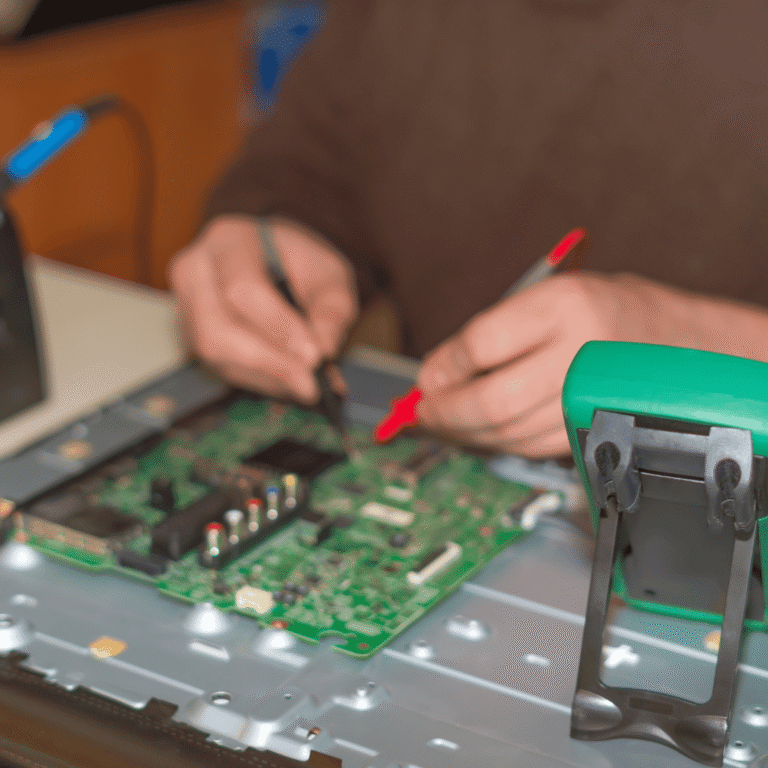
Why LED TVs Fail Faster in Apartments Than Independent Houses
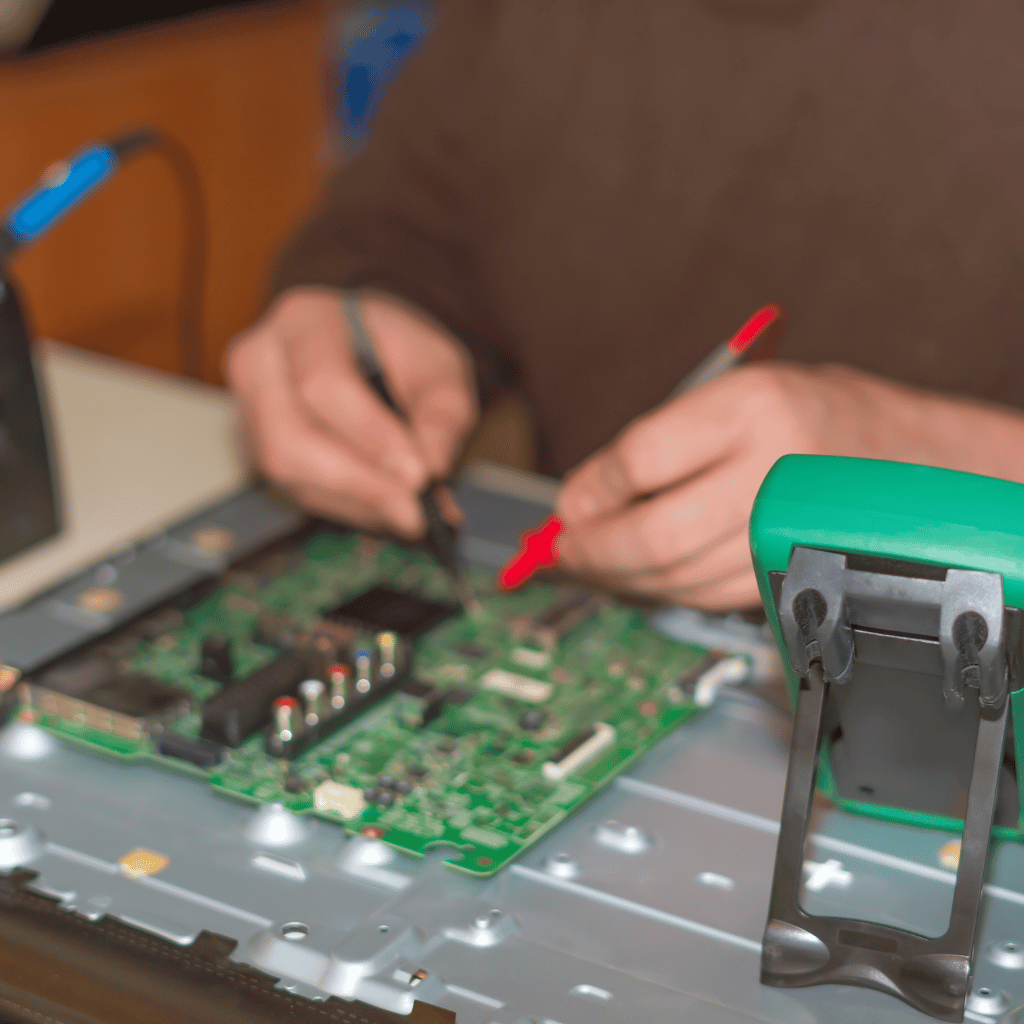
LED TVs are designed for long-term use, yet many users notice that TVs in apartments tend to develop problems much earlier than those in independent houses. This difference is not accidental. It is closely tied to how TVs are installed, used, and powered in apartment environments.
Understanding why LED TV problems in apartments occur more frequently helps users recognize early warning signs and avoid repeat failures.
How Apartment Living Affects LED TV Performance
Apartments usually have compact living spaces where LED TVs are wall-mounted with limited airflow behind the unit. Over time, heat buildup becomes a major factor affecting internal components such as backlight systems and power circuits.
In contrast, independent houses often provide better ventilation and flexible installation, reducing continuous thermal stress on the TV.
Common LED TV Problems Seen in Apartments
LED TV problems in apartments usually develop gradually rather than suddenly. Some of the most common issues include:
Delayed power-on or random restarts
Screen flickering during extended usage
Black screen while sound continues
Uneven brightness or dim display
Smart TV apps freezing or crashing
These issues are frequently linked to long operating hours, heat accumulation, and unstable power input.
Power Fluctuations in Apartment Buildings
Apartment complexes often share electrical infrastructure across multiple units. Voltage variation, load switching, and generator transitions place additional strain on LED TV power sections.
This is one of the reasons LED TV issues are commonly reported in apartment-heavy localities like Secunderabad, where residents frequently look for LED TV repair services in Secunderabad to address repeated power-related failures.
Wall Mounting and Limited Ventilation
Most apartment residents prefer wall-mounted LED TVs to save space. While convenient, this setup often restricts airflow behind the TV.
Over time, trapped heat affects internal boards and connectors, leading to gradual performance decline. Independent houses usually allow more flexible placement, which helps reduce this issue.
Usage Patterns in Apartments vs Independent Houses
Apartments often have shared usage patterns, with multiple family members using the TV throughout the day. This results in longer daily runtime and less cooling time between sessions.
In high-density residential and retail-heavy areas such as Dilsukhnagar, continuous TV usage is common, which is why many users eventually require professional LED TV repair in Dilsukhnagar to restore stable performance.
Independent houses usually have more controlled usage, allowing the TV to cool down between sessions.
Why Apartment LED TV Issues Get Worse If Ignored
Small symptoms like occasional flickering or delayed startup are often ignored in apartments. However, these are early indicators of internal stress.
Because LED TV problems in apartments are progressive, delaying inspection often leads to more complex faults that require advanced repair.
Can Apartment-Related LED TV Issues Be Prevented?
While apartment living cannot be changed, users can reduce risk by ensuring proper ventilation, avoiding continuous high brightness settings, and addressing early warning signs promptly.
Early professional inspection helps identify whether the issue is heat-related, power-related, or internal.
Conclusion
LED TVs fail faster in apartments due to heat buildup, power fluctuations, and extended daily usage. These factors place continuous stress on internal components, making early diagnosis essential.
Recognizing usage-related risks helps prevent repeat failures and unnecessary replacements.